November 26, 2025
Industrial IoT Sensors: Unlocking the Power of Smart Manufacturing
The industrial internet of things has revolutionized how manufacturers monitor equipment, optimize operations, and prevent costly downtime. At the heart of this transformation are industrial iot sensors—specialized devices designed to withstand harsh factory environments while delivering precise measurements that drive smart manufacturing decisions. Unlike consumer iot devices, these robust sensors integrate seamlessly with platforms like Matix IoT to provide real-time visibility into every aspect of industrial operations.
Modern industrial facilities depend on these smart sensors to collect data from critical equipment, monitor environmental conditions, and enable predictive maintenance applications. With the global IIoT market projected to reach $110 billion by 2025, understanding how to leverage industrial sensors effectively has become essential for operational efficiency and competitive advantage.
What are Industrial IoT Sensors?
Industrial iot sensors are specialized hardware devices engineered to monitor and collect real-time data from manufacturing environments, serving as the critical component that bridges physical operations with digital analytics platforms. These iiot sensors differ fundamentally from consumer IoT devices in their ability to withstand extreme conditions while delivering the precise measurements essential for industrial applications.
The key characteristics that distinguish industrial sensors include dust-resistant housings, shock-proof construction, water-resistant designs rated to IP67 or higher, and heat-tolerant components that function reliably in temperatures ranging from -40°C to +125°C. These industrial iiot sensors must deliver accuracy within fractions of degrees or millimeters because even minor deviations can impact product quality or safety in industrial settings.

Integration with Matix IoT platforms enables centralized data management across thousands of sensors and devices, providing a unified interface for monitoring and controlling industrial assets. The Matix IoT platform supports real-time data collection, edge computing, and cloud analytics, allowing industrial companies to optimize operations while reducing downtime through predictive maintenance capabilities.
These sensors convert physical phenomena into electrical signals that are transmitted to edge gateways or cloud platforms for processing. The sensor data collected enables automated control systems, real-time monitoring dashboards, and business intelligence applications that transform how manufacturing facilities operate.
Core Benefits of Industrial IoT Sensors
Real-time monitoring capabilities represent the primary advantage of industrial iot sensors, enabling continuous oversight of equipment and environmental conditions across the factory floor. These systems monitor temperature, pressure, vibration, and other critical parameters, providing instant alerts when measurements exceed certain thresholds or deviate from expected readings.
Predictive maintenance emerges as a transformative benefit, with vibration sensors and temperature sensors detecting early signs of equipment failure before catastrophic breakdowns occur. This proactive approach reduces maintenance costs by scheduling repairs only when necessary, while preventing the expensive downtime associated with unexpected equipment failure.
Enhanced workplace safety results from continuous monitoring of gas leaks, air quality, and environmental hazards. Gas sensors and air quality sensors detect dangerous conditions immediately, sending alerts to maintenance staff and triggering automated safety protocols. Security sensors monitor for unwanted visitors and unauthorized access, protecting valuable assets and sensitive production processes.
Cost reduction through energy monitoring and operational optimization delivers measurable ROI, with many industrial companies achieving payback periods under one year. Smart sensors track power consumption patterns, identify inefficiencies, and optimize HVAC system operations to reduce utility bills while maintaining optimal production conditions.
The Matix IoT platform amplifies these benefits by providing centralized analytics that transform raw sensor data into actionable insights. Organizations typically see significant improvements in operational efficiency within months of implementation, as real time data enables informed decision-making across all aspects of the production process.
Essential Types of Industrial IoT Sensors
Environmental Monitoring Sensors
Temperature sensors serve as fundamental components for equipment and ambient monitoring, ensuring machinery operates within safe range parameters while maintaining product quality standards. Industrial temperature sensors must monitor temperature with precision often within 0.1°C to prevent overheating in critical equipment and maintain specific temperature requirements for production processes.
Humidity sensors prevent condensation-related issues and optimize HVAC system performance by maintaining ideal atmospheric conditions throughout manufacturing facilities. These environmental sensors integrate with building automation systems to reduce energy consumption while ensuring worker comfort and product integrity.
Air quality sensors detect harmful fumes, toxins, and particulate matter that could compromise worker safety or product quality. These sensors continuously monitor atmospheric conditions, particularly in confined spaces where dangerous gas concentrations can develop rapidly.
Gas sensors provide critical leak detection capabilities and ensure safety compliance across industrial environments. Popular iot sensors in this category include methane detectors for natural gas facilities, hydrogen sulfide monitors for petrochemical plants, and carbon monoxide sensors for enclosed production areas.
Matix IoT environmental monitoring solutions integrate these sensors into comprehensive facility management systems, providing centralized dashboards that track conditions across multiple locations while sending automatic alerts when environmental parameters require immediate attention.
Equipment Performance Sensors
Vibration sensors enable predictive maintenance applications by monitoring rotating machinery for early signs of bearing wear, misalignment, or imbalance. These sensors detect mechanical vibrations that indicate potential equipment failure, allowing maintenance teams to schedule repairs during planned downtime rather than responding to emergency breakdowns.
Current monitoring sensors track power consumption patterns across production lines, identifying inefficiencies and optimizing energy usage. These industrial sensors provide detailed insights into electrical load patterns, helping facilities reduce costs while maintaining operational performance.
Pressure sensors monitor hydraulic and pneumatic system performance, ensuring consistent operation of automated equipment. Industrial automation systems depend on accurate pressure measurements to maintain proper operation of assembly lines, packaging equipment, and material handling systems.
Speed sensors provide continuous oversight of rotating machinery, motors, and conveyor systems. These sensors send data to control systems that adjust operational parameters in real-time, maintaining optimal production speeds while preventing equipment overload.
Temperature sensors specifically designed for equipment monitoring detect overheating in motors, bearings, and other critical components. Unlike ambient temperature monitoring, equipment-specific temperature sensors focus on preventing costly failures in expensive tools and heavy equipment.
Safety and Security Sensors
Proximity sensors prevent collisions in automated environments by detecting when workers or equipment approach dangerous areas. These sensors integrate with factory automation systems to immediately halt machinery when safety zones are breached, protecting personnel while maintaining production efficiency.
Motion detection sensors monitor for unauthorized access during off-hours, providing security coverage for valuable production equipment and sensitive materials. These security sensors complement traditional surveillance systems by providing immediate alerts when unexpected motion occurs in restricted areas.
Fire detection sensors, including smoke and heat detectors, provide early warning of potential disasters in industrial facilities. Advanced fire detection systems integrate multiple sensor types to minimize false alarms while ensuring rapid response to genuine emergencies.
Flood detection sensors prevent water damage to sensitive equipment and electrical systems. Water leaks from cooling systems, sprinkler malfunctions, or external flooding can cause millions in damage to production equipment and halt operations for extended periods.
Anti-theft sensors protect valuable assets through RFID tracking, motion detection, and proximity monitoring. These systems track expensive tools, raw materials, and finished goods throughout the facility, providing real-time location data and immediate alerts when assets move outside authorized areas.
Production Optimization Sensors
Level sensors monitor material and fluid levels in tanks, hoppers, and storage containers, preventing overflows and shortages that disrupt production schedules. These sensors ensure adequate supply of raw materials while preventing waste from overfilling situations.
Chemical sensors maintain quality control throughout production processes by monitoring pH levels, concentration ratios, and chemical composition. These sensors ensure consistent product quality while optimizing chemical usage and minimizing waste in production processes.
Cycle counter sensors track production volumes and enable maintenance scheduling based on actual equipment usage rather than arbitrary time intervals. These sensors count production cycles, providing precise data for scheduling preventive maintenance on legacy equipment.
Activity sensors provide comprehensive asset tracking and utilization monitoring across manufacturing facilities. These iot devices monitor equipment usage patterns, identifying underutilized assets and optimizing resource allocation throughout the facility.
4-20mA transmitters enable integration of modern IoT capabilities with legacy equipment, allowing older machinery to participate in digital transformation initiatives. These transmitters convert analog signals to digital data that integrates seamlessly with modern industrial automation systems.

Industrial IoT Sensor Applications by Industry
Manufacturing operations leverage industrial iot sensors for assembly line monitoring, quality control, and equipment health management. Temperature sensors monitor process conditions, vibration sensors track machinery performance, and proximity sensors ensure worker safety around automated equipment. Matix IoT implementations in manufacturing typically include hundreds of sensors monitoring production lines, with real-time analytics identifying optimization opportunities and preventing costly downtime.
Oil and gas operations deploy sensors for pipeline monitoring, leak detection, and safety compliance across vast distributed networks. Gas sensors detect dangerous leaks immediately, pressure sensors monitor pipeline integrity, and environmental sensors track atmospheric conditions around drilling sites. These industrial applications require sensors capable of operating in explosive atmospheres with ATEX certification for hazardous locations.
Food processing facilities use humidity sensors and temperature sensors to maintain strict hygiene standards and ensure product safety. Air quality sensors monitor for contaminants while level sensors track ingredient supplies and finished product inventory. The Matix IoT platform enables food processors to maintain detailed records for regulatory compliance while optimizing energy consumption throughout refrigeration and processing systems.
Pharmaceutical manufacturing requires the highest precision from industrial sensors, with clean room monitoring, process validation, and compliance tracking demanding accuracy within tight tolerances. These facilities deploy networks of environmental sensors to monitor particulate levels, temperature, and humidity throughout production areas. Chemical sensors validate process parameters while security sensors protect intellectual property and valuable compounds.
Automotive production lines utilize industrial iot sensors for production optimization, robotic safety, and quality assurance across complex assembly processes. Cycle counter sensors track production volumes, vibration sensors monitor robotic equipment health, and proximity sensors ensure worker safety around automated assembly stations. Matix IoT case studies in automotive manufacturing show significant improvements in overall equipment effectiveness and reduced warranty claims through enhanced quality monitoring.
Data Collection and Communication Protocols
MQTT provides lightweight, publish-subscribe communication ideally suited for industrial environments with limited bandwidth or intermittent connectivity. This protocol efficiently handles data transmissions from thousands of iot sensors while maintaining minimal overhead, making it the preferred choice for most industrial internet applications.
OPC UA delivers standardized industrial automation protocols that ensure interoperability across different manufacturers and systems. This protocol supports secure communication between industrial sensors and control systems, providing the reliability and security required for critical industrial applications.
HTTP/HTTPS protocols enable modern sensor data transmission to cloud platforms and enterprise systems. These protocols simplify integration with existing IT infrastructure while providing robust security for sensitive industrial data.
Wireless connectivity options include 4G/5G cellular networks for remote locations and LPWAN technologies like LoRaWAN for low-power applications. Industrial facilities often deploy hybrid networks combining wired and wireless connectivity to optimize coverage while maintaining reliability.
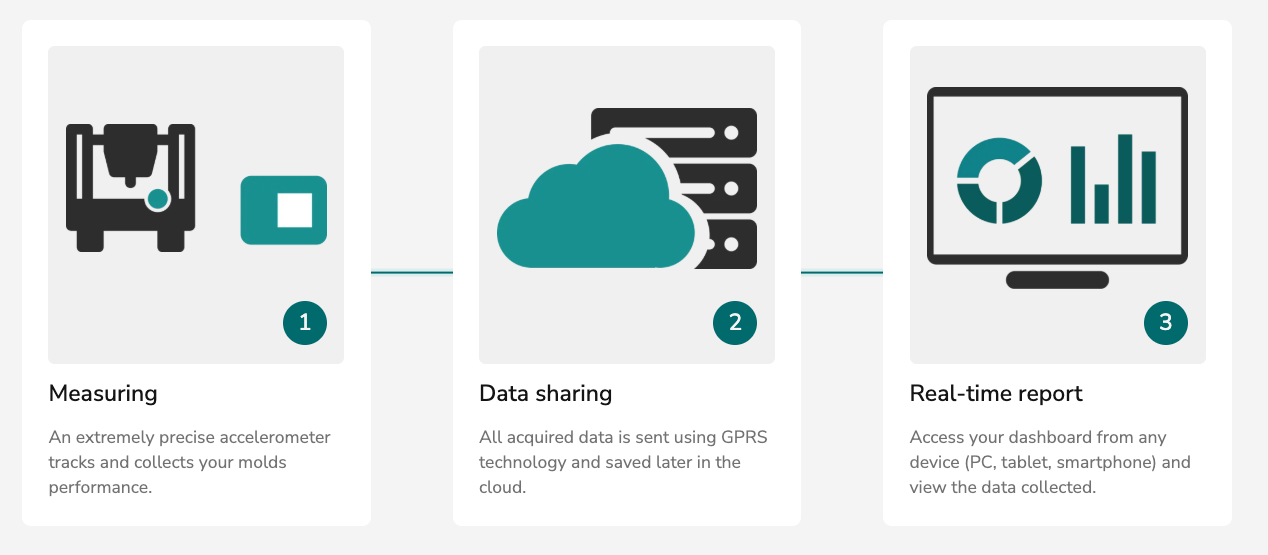
Edge gateway integration provides protocol conversion and data preprocessing capabilities, enabling legacy equipment to participate in modern IoT networks. These gateways collect data from multiple sensors using different protocols, converting and aggregating information before transmission to cloud platforms.
Matix IoT platform compatibility encompasses multiple communication standards, supporting everything from legacy Modbus systems to modern MQTT networks. This flexibility enables seamless integration of existing infrastructure with new sensor deployments, accelerating digital transformation initiatives while protecting existing investments.
Implementation and Integration Strategies
Assessment of existing infrastructure begins with comprehensive evaluation of current sensor networks, communication systems, and data management capabilities. Industrial companies must inventory legacy equipment, identify integration points, and determine communication requirements before deploying new iot sensors. This assessment reveals opportunities for enhancing existing systems while identifying areas requiring complete modernization.
Integration with enterprise systems including ERP, CMMS, and MES platforms ensures that sensor data enhances existing business processes. The Matix IoT platform provides APIs and connectors that enable seamless data flow between operational technology and information technology systems, breaking down traditional silos between production and business operations.
Edge computing deployment enables real-time processing of sensor data at the point of collection, reducing latency and enabling immediate response to critical conditions. Edge gateways process data locally, filtering information and triggering automated responses while forwarding relevant data to central systems for analysis and reporting.
Cloud connectivity expands capabilities beyond local processing, providing advanced analytics, machine learning capabilities, and long-term data storage. Cloud platforms enable predictive analytics that identify patterns across multiple facilities while providing scalable infrastructure for growing sensor networks.
Scalability considerations become critical as sensor networks expand from pilot projects to facility-wide deployments. The Matix IoT platform architecture supports thousands of sensors across multiple locations, providing the scalability required for enterprise-wide implementations while maintaining consistent performance and reliability.
Matix IoT platform deployment follows established best practices including phased rollouts, comprehensive testing, and gradual expansion of sensor networks. Configuration guidelines ensure optimal performance while minimizing disruption to existing operations during implementation phases.
Monitoring and Maintenance of IoT Sensor Networks
Continuous sensor health monitoring ensures reliable operation of industrial iot sensor networks through automated diagnostics and performance tracking. The Matix IoT platform continuously monitors sensor connectivity, battery levels, and data quality, providing immediate alerts when sensors require attention or replacement.
Data quality validation prevents unreliable information from affecting critical decisions by implementing automated checks for sensor accuracy, communication integrity, and data consistency. Anomaly detection algorithms identify sensors producing erratic readings, enabling proactive maintenance before sensor failure affects operations.
Preventive maintenance scheduling for sensor networks optimizes replacement cycles and ensures continuous operation of critical monitoring systems. Maintenance staff receive automated notifications when sensors approach end-of-life conditions, enabling scheduled replacement during planned maintenance windows.
Alert management and escalation procedures ensure that critical conditions receive immediate attention while preventing alarm fatigue from non-urgent notifications. The Matix IoT platform provides configurable alert thresholds and escalation paths that match organizational structure and response capabilities.
Performance optimization techniques include regular calibration, firmware updates, and network optimization to maintain peak sensor performance. Troubleshooting approaches leverage remote diagnostics and predictive analytics to identify and resolve issues before they impact operations.
Matix IoT monitoring dashboards provide comprehensive visibility into sensor network performance, data quality, and system health across entire facilities. These dashboards enable operations teams to manage complex sensor networks efficiently while maintaining focus on production priorities.
Selection Criteria for Industrial IoT Sensors
Environmental requirements define the fundamental specifications needed for reliable sensor operation in specific industrial conditions. Temperature range, humidity tolerance, chemical resistance, and vibration immunity must match the actual operating conditions where sensors will be deployed. Industrial environments often exceed standard operating ranges, requiring sensors specifically designed for extreme conditions.
Accuracy and precision specifications directly impact the effectiveness of monitoring and control systems. Critical applications may require temperature accuracy within 0.1°C or pressure measurements within 0.1% of full scale. Understanding the required precision helps avoid over-specifying expensive sensors while ensuring adequate performance for essential applications.
Communication range and power consumption considerations affect both installation flexibility and ongoing operational costs. Battery-powered sensors offer installation flexibility but require regular maintenance, while wired sensors provide continuous power but limit placement options. Wireless sensors must provide adequate range while maintaining reliable communication in industrial environments with significant electromagnetic interference.
Certification requirements including ATEX ratings for explosive atmospheres, IP ratings for environmental protection, and industry-specific standards ensure compliance with safety regulations. These certifications often determine whether specific sensors can be legally deployed in regulated industries or hazardous environments.
Total cost of ownership calculations must include initial purchase price, installation costs, ongoing maintenance requirements, and expected service life. Industrial sensors with higher initial costs often provide better long-term value through reduced maintenance requirements and longer service life compared to lower-cost alternatives.
Compatibility with Matix IoT platform and existing systems ensures seamless integration and optimal performance. Sensor selection should prioritize devices that integrate directly with existing infrastructure while providing expansion capabilities for future requirements.
Future Trends in Industrial IoT Sensors
AI-powered edge analytics represent the next evolution in industrial sensor technology, with intelligent processing capabilities embedded directly in sensor hardware. These smart sensors will perform autonomous decision-making, reducing dependence on central processing while enabling immediate response to critical conditions. Machine learning algorithms will continuously improve performance and accuracy through operational experience.
5G connectivity promises to transform industrial applications through ultra-low latency communication and massive device connectivity. This technology will enable real-time control systems that were previously impossible due to communication delays, opening new possibilities for remote operations and automated control systems.
Digital twin integration creates virtual models of industrial assets that update continuously based on sensor data. These digital replicas enable simulation, predictive modeling, and optimization without disrupting actual operations. The combination of comprehensive sensor networks and digital twins will revolutionize industrial design and operations.
Sustainable sensor technologies focus on energy harvesting capabilities and environmentally friendly manufacturing processes. Future sensors will generate their own power from ambient energy sources including vibration, temperature differentials, and electromagnetic fields, eliminating battery replacement requirements.
Enhanced cybersecurity features address growing concerns about industrial network security through embedded encryption, authentication protocols, and intrusion detection capabilities. As sensor networks become more sophisticated, security capabilities must evolve to protect against increasingly sophisticated cyber threats.
Matix IoT roadmap includes emerging sensor integration capabilities that will support next-generation industrial applications. The platform continues evolving to support new sensor types, communication protocols, and analytics capabilities that enable advanced industrial automation and optimization.
Conclusion
Industrial iot sensors have emerged as the foundation of smart manufacturing, enabling predictive maintenance, operational optimization, and enhanced safety across diverse industrial applications. The evolution from reactive maintenance to proactive monitoring represents a fundamental shift in how industrial companies manage assets and optimize operations.
The Matix IoT platform exemplifies how comprehensive sensor integration can transform industrial operations through real-time visibility, predictive analytics, and centralized management of complex sensor networks. Organizations implementing industrial sensor networks typically achieve rapid ROI through reduced downtime, optimized energy consumption, and improved operational efficiency.
Success in deploying industrial iot sensors requires careful consideration of environmental requirements, communication protocols, and integration strategies. The selection of appropriate sensors, combined with robust platforms like Matix IoT, enables organizations to harness the full potential of the industrial internet of things while ensuring reliable operation in demanding industrial environments.
As the industrial sector continues embracing digital transformation, the strategic deployment of industrial sensors will determine competitive advantage in an increasingly connected world. The investment in robust sensor networks and comprehensive IoT platforms represents not just technological advancement, but a fundamental reimagining of industrial operations for the future.

You might also like
.png)

.png)

MAXIMIZE OEE
Your Tools, Our Technology
Take control of your industrial tools' performance. Our demo will show you how to leverage real-time data, predictive analytics, and comprehensive asset management to minimize downtime and maximize productivity.


“New eyes on your molds production to lead performance towards operational excellence.”

Emanuele Quarin, Digital industrial operations director