November 26, 2025
IoT in Industrial Automation: Transforming Manufacturing Through Connected Intelligence
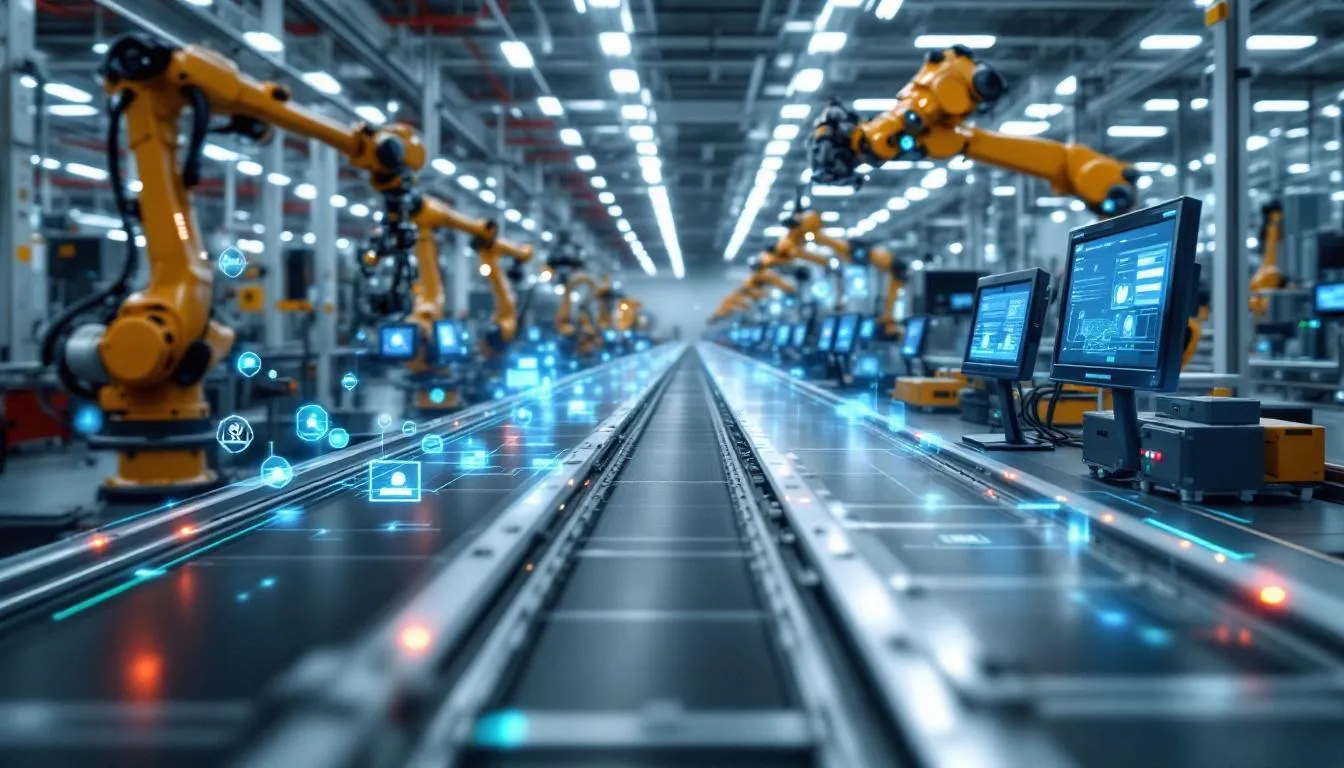
Manufacturing inefficiencies cost the global economy over $50 billion annually, yet a technological revolution is quietly transforming how industries operate. The Internet of Things (IoT) in industrial automation represents more than just connected devices—it’s reshaping entire manufacturing ecosystems through intelligent, data-driven operations that deliver unprecedented efficiency gains.
As interconnected smart devices become the backbone of modern industrial systems, organizations worldwide are discovering that IoT technologies enable real-time decision-making, predictive maintenance, and autonomous operations that were unimaginable just a decade ago. With 85% of organizations planning to implement IoT solutions by 2024, the question isn’t whether to adopt these technologies, but how quickly you can integrate them into your operational strategy.
This comprehensive guide explores how IoT industrial automation is revolutionizing manufacturing processes, from smart factories achieving near-perfect quality control to predictive maintenance systems that virtually eliminate unplanned downtime. We’ll examine real-world implementations, quantifiable benefits, and practical strategies for organizations ready to embrace this technological transformation.
What is IoT in Industrial Automation?
IoT in industrial automation refers to the deployment of interconnected sensors, devices, and systems that enable real-time data collection, analysis, and automated decision-making across manufacturing processes. Unlike traditional industrial automation systems that operate in isolation, IoT automation creates a network of connected devices that communicate seamlessly, transforming physical equipment into intelligent, responsive systems.
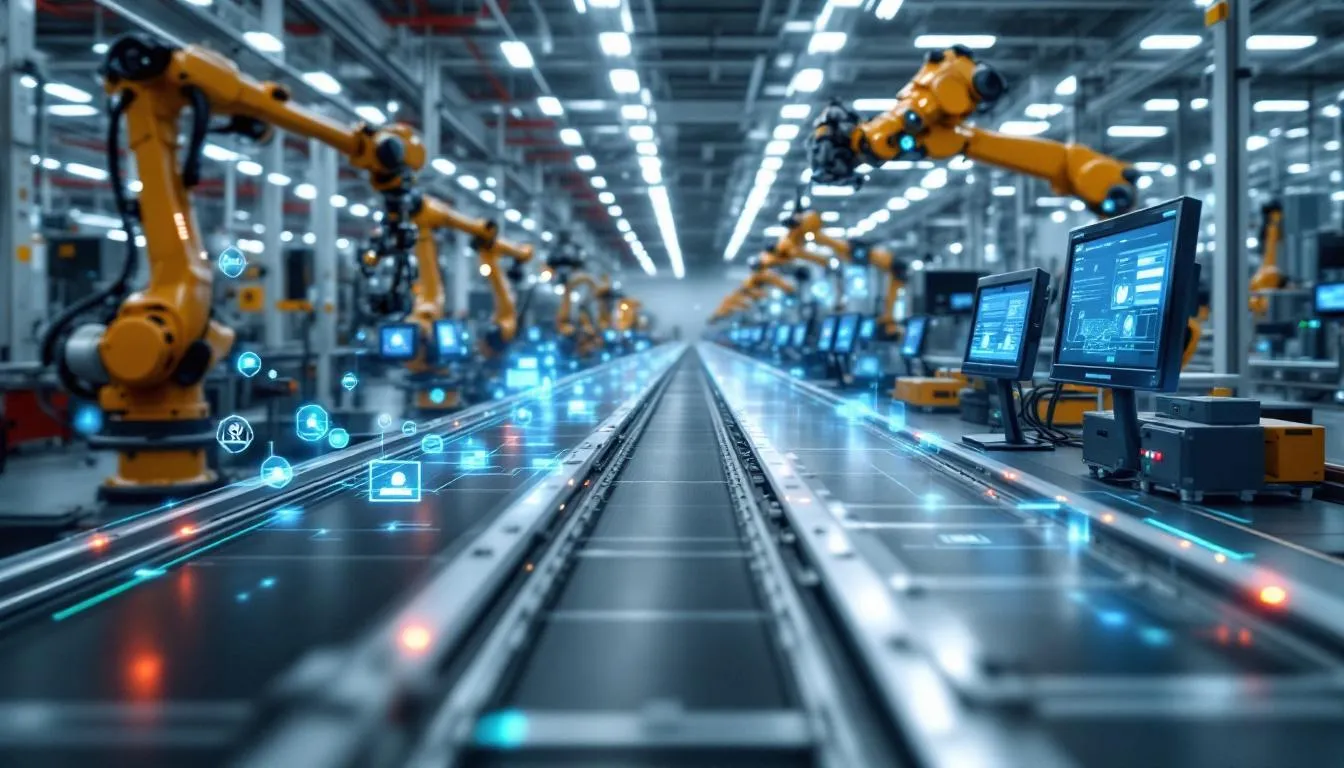
The evolution from conventional automation to IoT-enabled systems represents a fundamental shift in how industries operate. Traditional programmable logic controllers and standalone automation systems have given way to comprehensive networks where iot sensors continuously monitor everything from machine performance to environmental conditions, feeding data to advanced analytics platforms that optimize processes in real-time.
This transformation bridges the gap between operational technology (OT) and information technology (IT), creating smart factories where iot devices generate massive amounts of data that machine learning algorithms analyze to predict equipment failures, optimize energy consumption, and enhance operational efficiency. The result is a paradigm shift from reactive to proactive operations, where industrial systems can self-diagnose, self-optimize, and even self-heal.
Modern IoT industrial automation encompasses several key components working in harmony. Smart sensors monitor critical parameters like temperature, pressure, vibration, and flow rates across production lines. Edge computing devices process this sensor data locally, reducing latency and enabling immediate responses to critical situations. Cloud platforms aggregate and analyze data from multiple sources, while artificial intelligence and machine learning capabilities identify patterns and optimize operations continuously.
The impact extends beyond mere efficiency gains. IoT automation enables manufacturers to achieve levels of quality control, cost savings, and operational transparency that fundamentally change how they compete in global markets. Companies implementing these systems report significant improvements in customer satisfaction, workplace safety, and environmental compliance—benefits that extend far beyond traditional automation capabilities.
Core Technologies Powering IoT Industrial Automation
The foundation of successful IoT implementation rests on four critical technology pillars that work together to create intelligent industrial ecosystems. Understanding these core technologies is essential for organizations planning their digital transformation journey.
Advanced Sensor Technologies
Modern iot sensors form the nervous system of industrial automation, collecting vast amounts of real time data from every aspect of manufacturing processes. Temperature sensors monitor thermal conditions across production lines, ensuring optimal operating parameters and early detection of overheating issues. Pressure sensors track fluid dynamics in hydraulic systems, while vibration sensors provide crucial insights into machine health and performance.
Visual sensors powered by computer vision technology enable automated quality control, inspecting products at speeds impossible for human operators while maintaining consistent accuracy standards. These sensor technologies have evolved to withstand harsh industrial environments, offering improved reliability and longer operational lifespans than previous generations.
The integration of sensor data creates comprehensive monitoring capabilities that transform how manufacturers understand their operations. Rather than relying on periodic manual inspections, organizations gain continuous visibility into every aspect of their production processes, enabling proactive maintenance and optimization strategies.
Edge Computing and Local Processing
Edge computing represents a crucial advancement in how iot data is processed and analyzed. By performing data analysis closer to where it’s generated, edge computing reduces latency from hundreds of milliseconds to mere microseconds, enabling real-time responses critical for industrial applications.
This distributed processing approach allows industrial devices to make autonomous decisions without waiting for cloud-based analysis. For example, if temperature sensors detect dangerous overheating in a motor, edge computing systems can immediately trigger safety shutdowns, preventing equipment damage and ensuring workplace safety.
Edge computing also addresses bandwidth limitations and connectivity concerns common in industrial environments. Rather than transmitting every piece of sensor data to remote servers, edge devices filter and aggregate information locally, sending only relevant insights to central systems for broader analysis and reporting.
Connectivity and Network Infrastructure
Robust connectivity forms the backbone of any successful IoT automation system. Modern industrial networks utilize multiple communication protocols and technologies to ensure reliable data transmission across diverse environments and use cases.
5G technology is revolutionizing industrial connectivity by providing ultra-low latency and high-bandwidth connections that support mission-critical applications. Private 5G networks enable manufacturers to maintain complete control over their connectivity infrastructure while achieving the performance levels required for advanced automation applications.
WiFi 6 and industrial ethernet solutions provide reliable local connectivity for factory environments, while LPWAN (Low Power Wide Area Network) technologies enable long-range monitoring of remote assets and facilities. This multi-layered approach ensures that connected devices maintain reliable communication regardless of their location or application requirements.
Cloud Platforms and Data Analytics
Cloud platforms serve as the central nervous system for IoT industrial automation, aggregating data from thousands of connected devices and applying advanced data analytics to extract meaningful insights. These platforms handle the enormous scale of iot data generated by modern manufacturing facilities, processing millions of data points daily to identify trends, anomalies, and optimization opportunities.
Machine learning algorithms continuously analyze historical and real-time data to improve predictive capabilities, while automated reporting systems keep operators informed of critical performance metrics. Integration with existing enterprise systems ensures that IoT insights influence broader business decisions, from inventory management to strategic planning.
The scalability of cloud platforms enables manufacturers to expand their IoT implementations gradually, starting with pilot projects and growing to enterprise-wide deployments as they demonstrate value and build expertise.
Industrial IoT Applications Across Key Sectors
The transformative power of IoT in industrial automation becomes evident when examining specific applications across major industrial sectors. Real-world implementations demonstrate how connected devices and intelligent systems deliver measurable improvements in efficiency, quality, and profitability.
Smart Manufacturing and Production Lines
Siemens’ Amberg plant exemplifies the potential of IoT-enabled smart manufacturing, achieving an remarkable 99% reduction in production errors through comprehensive sensor deployment and real-time monitoring. The facility utilizes over 1,000 interconnected devices to monitor every aspect of production processes, from individual component assembly to final product testing.
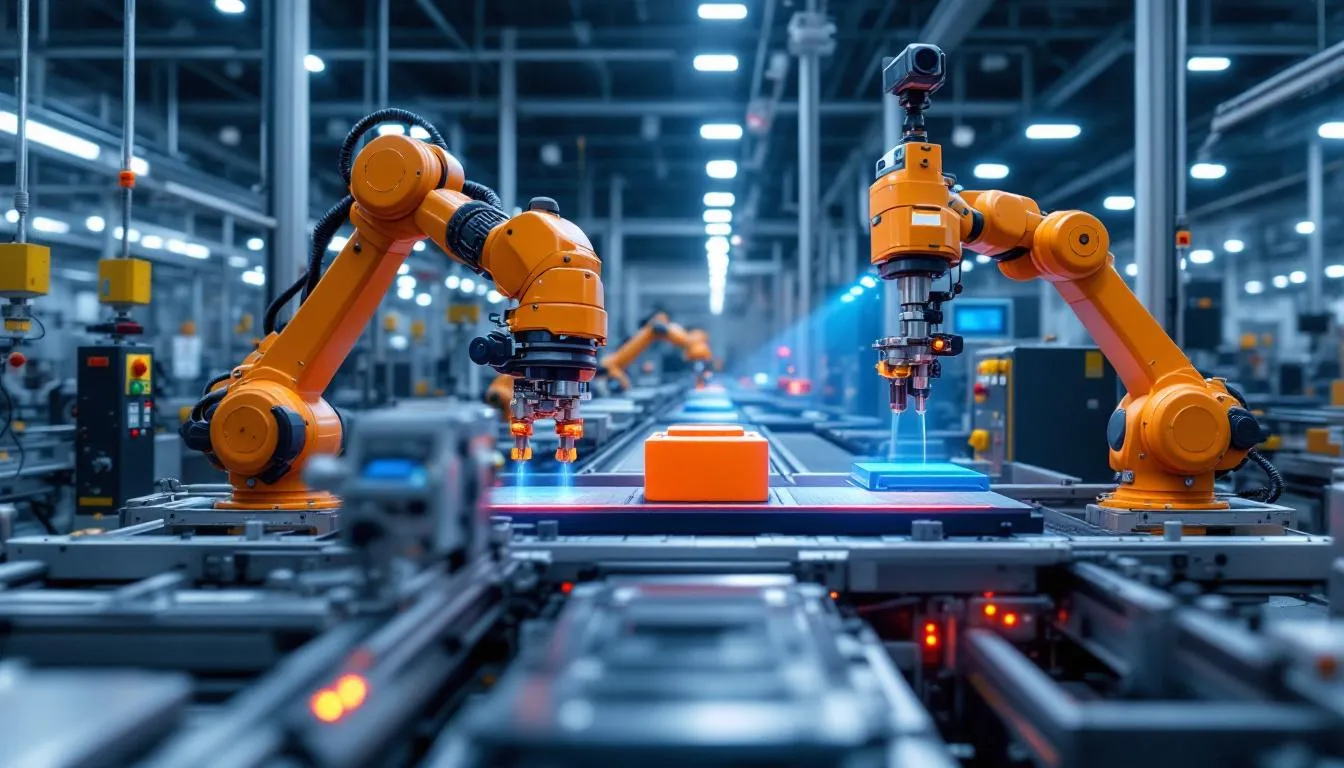
Toyota’s implementation of IoT technologies across their production lines resulted in a 30% productivity increase by optimizing manufacturing processes through continuous data collection and analysis. The company deployed sensors throughout their facilities to monitor machine performance, track production rates, and identify bottlenecks in real-time.
Real-time quality control represents another breakthrough application, where computer vision systems and iot sensors inspect products continuously during manufacturing. These systems detect defects immediately, reducing waste and ensuring consistent product quality. Automated systems can adjust production parameters instantly based on quality feedback, maintaining optimal output without human intervention.
Inventory levels and supply chain management benefit significantly from IoT automation. RFID tags and smart sensors track materials and components throughout the manufacturing process, automatically triggering reorders when inventory falls below predetermined thresholds. This automation reduces labor costs while ensuring production lines never experience material shortages.
Predictive Maintenance Solutions
Leading industrial manufacturers have transformed maintenance strategies by implementing IoT sensors that predict equipment failures before they occur. These systems monitor vibration patterns, temperature fluctuations, and acoustic signatures to identify early warning signs of potential issues, enabling maintenance teams to schedule repairs during planned downtime rather than responding to unexpected breakdowns.
The adoption of IoT-based predictive maintenance delivers substantial cost savings across multiple dimensions. Organizations typically reduce maintenance expenses by 15-30% while extending equipment lifespan through proactive maintenance strategies. Early detection of equipment problems prevents catastrophic failures that could result in extensive production delays and costly emergency repairs.
Advanced predictive maintenance platforms demonstrate the scalability of these solutions by monitoring equipment across thousands of installations worldwide. These platforms analyze sensor data to optimize performance, predict component failures, and schedule maintenance activities to minimize operational disruptions.
Vibration analysis, thermal monitoring, and oil quality sensors work together to provide comprehensive equipment health monitoring. Machine learning algorithms analyze patterns in this data to identify subtle changes that indicate developing problems, often detecting issues weeks or months before they would cause equipment failures.
Energy and Utilities Management
Enel’s deployment of 30 million smart meters represents one of the largest IoT implementations in the utility sector, enabling real-time monitoring of energy consumption patterns and grid performance. This massive sensor network provides unprecedented visibility into energy distribution, helping optimize load balancing and reduce transmission losses.
Smart grid technologies powered by IoT devices enable utilities to integrate renewable energy sources more effectively while maintaining grid stability. Automated demand response systems adjust energy consumption in real-time based on grid conditions and energy prices, reducing peak demand and improving overall system efficiency.
Industrial facilities typically achieve energy savings of 15-25% through IoT-enabled energy management systems. These systems monitor energy consumption across all equipment and processes, identifying inefficiencies and automatically optimizing energy usage. Smart lighting, HVAC control, and equipment scheduling contribute to significant reductions in operational costs.
Optimizing energy consumption extends beyond simple monitoring to include predictive analytics that anticipate energy needs based on production schedules, weather patterns, and historical consumption data. This foresight enables facilities to negotiate better energy contracts and reduce peak demand charges.
Supply Chain and Logistics Optimization
DHL’s SmartTrucks initiative demonstrates how IoT technologies optimize transportation and logistics operations. The company equipped delivery vehicles with sensors that monitor fuel consumption, route efficiency, and vehicle performance, resulting in reduced operational costs and improved delivery times.
RFID and GPS tracking technologies provide real-time visibility into asset locations throughout the supply chain. Manufacturers can track components from suppliers through production and final delivery, identifying bottlenecks and optimizing logistics operations. This visibility enables just-in-time manufacturing strategies that reduce inventory costs while maintaining production schedules.
Warehouse automation benefits significantly from IoT integration, where connected devices guide automated storage and retrieval systems, robotic picking operations, and inventory management processes. These systems reduce labor costs while improving accuracy and speed of warehouse operations.
Temperature-controlled logistics for pharmaceuticals and food products utilize IoT sensors to maintain product integrity throughout the supply chain. Continuous monitoring ensures compliance with regulatory requirements while reducing product spoilage and waste.
Transformative Benefits of IoT Industrial Automation
The implementation of IoT technologies in industrial settings delivers quantifiable benefits that extend far beyond traditional automation capabilities. Organizations across various sectors report significant improvements in multiple operational dimensions, creating compelling business cases for IoT adoption.
Operational Efficiency Gains
Companies like Bosch and Honeywell consistently report productivity improvements of 20-40% following IoT implementation, achieved through real-time optimization and automated process adjustments. These gains result from continuous monitoring and immediate response to changing conditions, eliminating delays and inefficiencies common in traditional manufacturing environments.
Real-time optimization capabilities enable manufacturers to adjust production parameters instantly based on current conditions, quality requirements, and demand fluctuations. IoT systems analyze thousands of variables simultaneously, identifying optimal settings that human operators might miss due to the complexity and speed of modern manufacturing processes.
Automated quality control systems reduce defect rates by up to 10% by detecting and correcting issues immediately during production. Unlike traditional quality control methods that identify problems after products are completed, IoT-enabled systems monitor quality continuously and make real-time adjustments to maintain specifications.
Throughput improvements and cycle time reductions result from optimized production processes and reduced equipment downtime. IoT systems identify bottlenecks and inefficiencies that limit production capacity, enabling manufacturers to maximize output from existing equipment and facilities.
Cost Reduction and ROI
Predictive maintenance strategies enabled by IoT technologies deliver maintenance cost reductions of 15-30% by shifting from reactive to proactive maintenance approaches. Organizations avoid costly emergency repairs and extend equipment lifespan through timely interventions based on actual equipment condition rather than arbitrary schedules.

Energy savings of 15-25% represent another significant cost reduction opportunity, achieved through IoT monitoring and optimization of energy consumption patterns. Smart systems automatically adjust lighting, heating, cooling, and equipment operation to minimize energy usage while maintaining operational requirements.
Reduced downtime costs significantly impact profitability, as unplanned production stoppages can cost manufacturers thousands of dollars per hour. IoT systems virtually eliminate unexpected equipment failures through predictive maintenance and automated safety systems that prevent catastrophic breakdowns.
Most organizations achieve ROI timeframes of 12-24 months for IoT implementations, with many reporting payback periods as short as six months for focused applications like predictive maintenance. These rapid returns result from immediate operational improvements and cost reductions that begin as soon as systems become operational.
Enhanced Safety and Compliance
Rio Tinto’s implementation of IoT safety monitoring systems significantly reduced workplace accidents by providing real-time awareness of hazardous conditions and automated safety responses. Wearable devices monitor worker health and location, while environmental sensors detect dangerous gas concentrations, temperature extremes, and other safety risks.
Environmental monitoring capabilities ensure regulatory compliance by continuously tracking emissions, waste discharge, and other environmental parameters. Automated reporting systems maintain compliance documentation while alerting operators to potential violations before they occur.
Worker safety benefits from IoT technologies include collision avoidance systems for mobile equipment, fatigue monitoring for operators of heavy machinery, and emergency response systems that automatically summon help when accidents occur. These systems create safer work environments while reducing liability and insurance costs.
Automated safety shutdowns protect both workers and equipment by immediately responding to dangerous conditions. IoT sensors can detect equipment malfunctions, process deviations, or environmental hazards and trigger appropriate safety measures faster than human operators could respond.
Implementation Challenges and Strategic Solutions
While the benefits of IoT industrial automation are substantial, organizations face several implementation challenges that require careful planning and strategic solutions. Understanding these obstacles and their remedies is crucial for successful IoT deployment.
Cybersecurity and Data Protection
The expansion of connected devices creates a broader attack surface that requires comprehensive cybersecurity strategies. Industrial systems that were previously isolated now connect to corporate networks and cloud platforms, potentially exposing critical operations to cyber threats.
Advanced encryption strategies protect data both in transit and at rest, ensuring that sensitive operational information remains secure throughout the IoT ecosystem. Zero-trust security models verify every device and user attempting to access systems, regardless of their location within the network.
Network segmentation isolates critical industrial systems from general corporate networks, limiting the potential impact of security breaches. Companies like Cisco and Honeywell offer industrial cybersecurity solutions specifically designed for IoT environments, providing multi-layered protection against evolving threats.
Edge computing contributes to data security by processing sensitive information locally rather than transmitting it to remote servers. This approach reduces data exposure while improving response times for critical applications.
Legacy System Integration
Compatibility challenges with existing industrial equipment represent one of the most common implementation obstacles. Many manufacturing facilities operate equipment that was installed decades ago, lacking modern connectivity and communication capabilities.
Middleware solutions and protocol converters enable communication between legacy equipment and modern IoT systems without requiring complete equipment replacement. These solutions translate between different communication protocols and data formats, preserving existing investments while enabling IoT capabilities.
Phased implementation approaches minimize operational disruption by gradually introducing IoT capabilities rather than attempting comprehensive system overhauls. Organizations can start with pilot projects that demonstrate value before expanding to broader deployments.
Retrofitting strategies enable older machinery to participate in IoT networks through aftermarket sensors and communication devices. These solutions extend the useful life of existing equipment while providing the data visibility required for modern manufacturing optimization.
Getting Started with IoT Industrial Automation
Successfully implementing IoT industrial automation requires careful planning, strategic thinking, and a systematic approach that balances ambition with practical constraints. Organizations can maximize their chances of success by following proven methodologies and focusing on applications that deliver clear business value.
Assessment and Planning Framework
Begin your IoT journey with a comprehensive assessment of current operations, identifying areas where IoT technologies can deliver the greatest impact. Focus on processes that generate significant operational costs, experience frequent problems, or lack adequate visibility for optimization.
Evaluate existing infrastructure to understand what systems, networks, and capabilities can support IoT implementation. This assessment should include connectivity options, data storage capabilities, and integration requirements with current enterprise systems.
Establish clear success metrics and ROI expectations before beginning implementation. Define specific, measurable goals such as reduced downtime percentages, energy savings targets, or quality improvement objectives that will demonstrate the value of IoT investments.
Pilot Project Strategy
Start with focused pilot projects that address specific operational challenges while demonstrating IoT capabilities to stakeholders. Choose applications with clear success criteria and relatively low implementation complexity to build momentum and expertise.
Predictive maintenance represents an ideal starting point for many organizations, offering clear cost savings and measurable benefits while requiring relatively straightforward sensor installation and data analysis capabilities. Energy monitoring projects also provide visible results that support broader IoT initiatives.
Develop internal expertise through pilot projects rather than attempting comprehensive deployments immediately. This approach allows organizations to learn from experience while minimizing risks and building confidence in IoT technologies.
Technology Partner Selection
Choose technology partners based on their industrial experience, integration capabilities, and long-term viability rather than focusing solely on initial costs. Look for vendors who understand your industry’s specific requirements and regulatory constraints.
Evaluate potential partners’ ability to integrate with your existing systems and support future expansion plans. Consider their cybersecurity capabilities, technical support resources, and track record with similar organizations.
Establish partnerships that provide access to ongoing technological innovation rather than one-time implementations. The IoT landscape evolves rapidly, and successful deployments require partners who can adapt and enhance systems as new capabilities become available.
Change Management and Training
Prepare your workforce for IoT implementation through comprehensive training programs that address both technical skills and process changes. Focus on how IoT technologies will enhance rather than replace human capabilities, addressing concerns about job security and role changes.
Develop internal champions who understand both traditional operations and new IoT capabilities. These individuals can bridge the gap between existing processes and new technologies while helping colleagues adapt to enhanced operational approaches.
Create feedback mechanisms that allow operators and maintenance staff to contribute insights about IoT system performance and potential improvements. Their practical experience provides valuable input for system optimization and future enhancement initiatives.
Measuring Success and Scaling
Implement comprehensive monitoring and reporting systems that track IoT performance against established success criteria. Regular measurement and analysis ensure that systems deliver expected benefits while identifying areas for improvement.
Plan for scaling successful pilot projects to broader applications while incorporating lessons learned from initial implementations. This approach enables organizations to achieve enterprise-wide benefits while avoiding common pitfalls that derail IoT initiatives.
Establish continuous improvement processes that leverage IoT data to identify new optimization opportunities and enhancement possibilities. The goal is creating a cycle of ongoing improvement that maximizes the long-term value of IoT investments.
The future belongs to organizations that embrace IoT industrial automation as a strategic competitive advantage rather than merely a technological upgrade. By following systematic implementation approaches and focusing on applications that deliver clear business value, manufacturers can transform their operations while building capabilities for continued innovation and growth. The question isn’t whether IoT will reshape industrial automation—it’s how quickly your organization will harness these technologies to achieve operational excellence and competitive advantage in an increasingly connected world.

You might also like
.png)

.png)

MAXIMIZE OEE
Your Tools, Our Technology
Take control of your industrial tools' performance. Our demo will show you how to leverage real-time data, predictive analytics, and comprehensive asset management to minimize downtime and maximize productivity.


“New eyes on your molds production to lead performance towards operational excellence.”

Emanuele Quarin, Digital industrial operations director