November 26, 2025
Supplier Performance Management Software: Transforming Vendor Relationships Through Data-Driven Insights

Managing hundreds of supplier relationships through spreadsheets and manual processes is like trying to conduct an orchestra with a broken baton—technically possible, but destined for chaos. Modern organizations face unprecedented complexity in their supply chains, with global enterprises managing thousands of suppliers across multiple categories, geographies, and risk profiles. The traditional approach of quarterly reviews and reactive problem-solving no longer provides the visibility and control needed to maintain competitive advantage.
The evolution from manual supplier management to intelligent, automated platforms represents more than just a technological upgrade—it’s a fundamental shift toward proactive relationship management that strengthens supplier relationships while delivering measurable business value. Organizations implementing comprehensive supplier performance management software report transformative results: faster decision-making, reduced supplier risks, and significant cost savings that directly impact the bottom line.
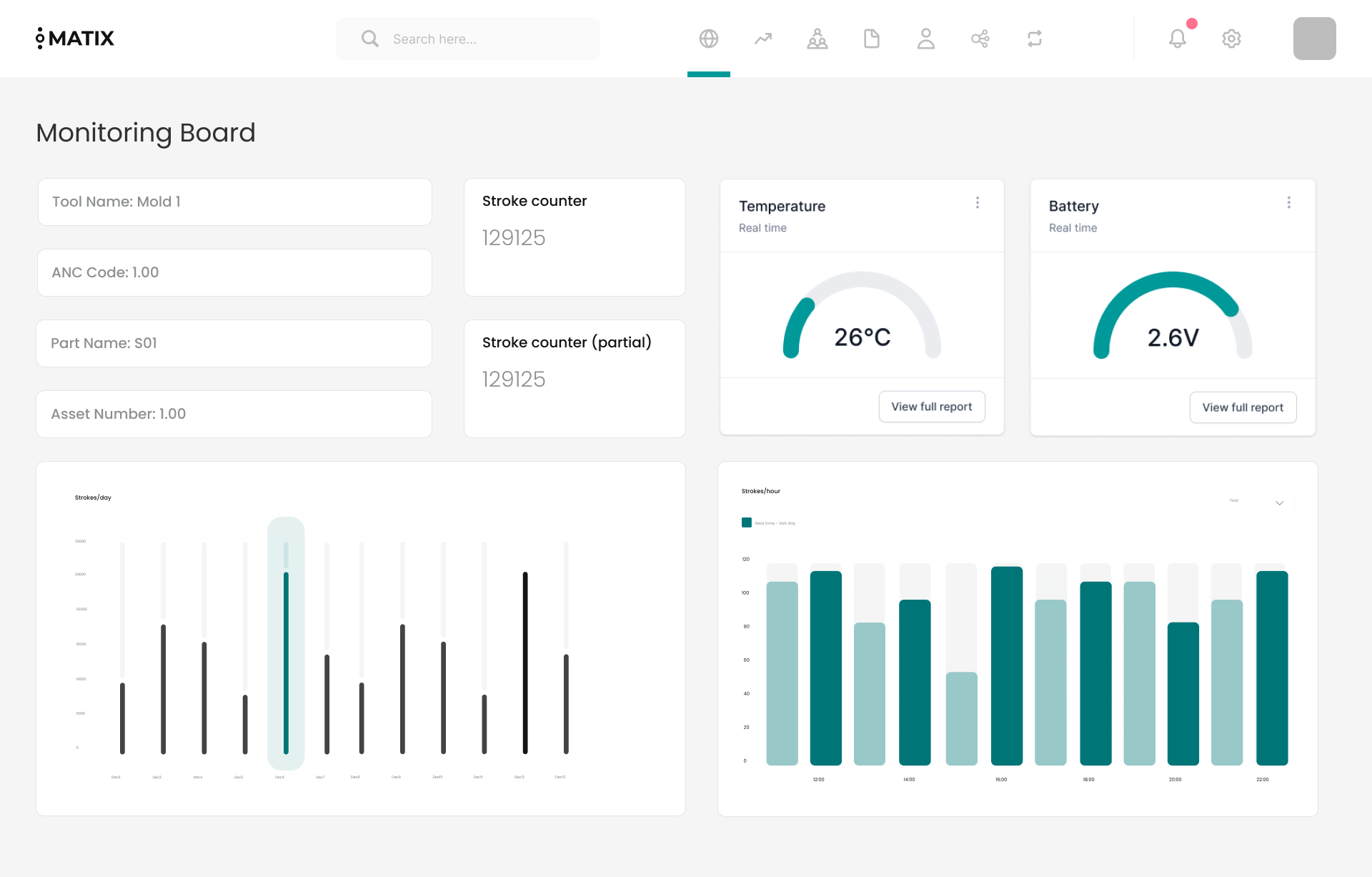
This comprehensive guide explores how supplier performance management software transforms vendor relationships through data-driven insights, examining the essential capabilities, implementation considerations, and industry-specific applications that drive procurement excellence in today’s complex business environment.
What is Supplier Performance Management Software?
Supplier performance management software represents a specialized digital platform designed to monitor, measure, and improve vendor performance across quality, delivery, cost, and compliance metrics. Unlike traditional spreadsheet-based approaches that rely on manual data entry and periodic reviews, these platforms provide automated data collection from ERP systems, stakeholder feedback, and market intelligence to create a single source of truth for all supplier information.
The core functionality centers on transforming fragmented supplier data into actionable insights through real-time performance monitoring. Modern platforms automatically capture transaction data, contract milestones, quality metrics, and delivery performance, eliminating the manual effort traditionally required to track key performance indicators. This automated approach ensures data accuracy while freeing procurement teams to focus on strategic supplier improvement initiatives rather than administrative tasks.
Integration capabilities represent a critical differentiator for effective supplier performance management. Seamless connection with procurement systems, enterprise resource planning platforms, and supply chain management tools ensures that performance data flows automatically across the organization. Leading platforms support bi-directional integration, allowing supplier information to be updated across multiple systems simultaneously while maintaining data consistency and reducing duplicate records.
Real-time monitoring capabilities enable continuous tracking of supplier KPIs with instant alerts for performance deviations. When a strategic supplier’s on-time delivery rate drops below acceptable thresholds or quality issues emerge, automated notifications ensure immediate visibility for procurement operations teams. This proactive approach prevents small issues from escalating into major disruptions while enabling swift corrective actions that protect business continuity.
The transformation from reactive to predictive supplier management represents perhaps the most significant advancement in modern platforms. By leveraging big data analytics and AI powered algorithms, these solutions identify potential risks before they impact operations, recommend optimal supplier allocations, and predict performance trends that inform strategic decision-making.
Key Benefits of Supplier Performance Management Software
The quantifiable benefits of implementing supplier performance management software extend across operational efficiency, risk mitigation, and cost control, delivering measurable improvements that justify investment while strengthening overall procurement operations.
Operational Efficiency Improvements
Organizations implementing comprehensive supplier performance management solutions report dramatic improvements in operational efficiency, with 70% faster supplier onboarding through automated workflows and self service portal capabilities. The transformation from manual onboarding processes—which typically require weeks of back-and-forth communications—to streamlined digital workflows dramatically reduces time-to-value for new supplier relationships.
Team productivity improvements of 40% emerge from eliminating manual performance tracking and replacing it with automated data collection and analysis. Procurement teams that previously spent significant time gathering performance data from multiple systems now access real-time insights through performance dashboards, enabling them to focus on strategic supplier collaboration rather than administrative tasks.
The reduction in supplier queries—often reaching 3X improvements—results from centralized supplier data and transparent communication channels. When suppliers can access their performance metrics, contract status, and payment status through dedicated supplier portal interfaces, the volume of routine inquiries decreases substantially, freeing procurement resources for value-added activities.
Automated KPI weighting, alerts, and service level agreement tracking provide proactive performance management that prevents issues before they impact operations. Rather than discovering delivery problems during monthly reviews, organizations receive instant insights when performance trends suggest potential problems, enabling immediate intervention and supplier improvement support.
Risk Mitigation and Compliance
Risk monitoring capabilities deliver a 30% reduction in supplier risk incidents through AI powered predictive analytics that identify warning signs across financial stability, operational capacity, and compliance metrics. Traditional risk assessment approaches rely on periodic reviews and historical data, while modern platforms analyze real-time risk profiles and market intelligence to predict potential disruptions before they occur.
Early detection of declining quality or late deliveries prevents operational impact by triggering corrective actions before performance issues affect production schedules or customer satisfaction. This proactive approach transforms supplier risk management from reactive problem-solving to predictive risk mitigation, protecting supply chain resilience and business continuity.
Automated compliance monitoring across regulatory requirements and corporate policies ensures consistent adherence to compliance standards without manual oversight. For organizations in regulated industries, this capability reduces compliance-related risks while demonstrating due diligence to auditors and regulatory bodies.
Backup vendor activation capabilities become particularly valuable when supplier risks materialize. Platforms that maintain comprehensive supplier performance data can quickly identify alternative suppliers with proven track records, enabling rapid supplier switching when primary vendors face disruptions or performance deterioration.
Cost Savings and Quality Control
Identification of cost reduction opportunities while maintaining quality standards emerges through systematic performance benchmarking and supplier comparison capabilities. Organizations gain visibility into which suppliers deliver optimal value propositions across cost, quality, and service metrics, informing strategic sourcing decisions that optimize total cost of ownership.
Performance trend monitoring prevents quality issues before escalation by identifying patterns that predict potential problems. When quality metrics show declining trends, procurement teams can work proactively with suppliers to implement corrective actions before defects impact production or customer satisfaction.
Supplier benchmarking capabilities highlight best value propositions by comparing performance across similar supplier categories, enabling data-driven negotiations and contract terms that reflect proven performance capabilities. This approach ensures that pricing negotiations consider total value rather than just unit costs.
The consolidated view eliminates duplicate records and fragmented data management, reducing administrative costs while improving data quality for decision-making. Organizations often discover significant cost savings simply by eliminating redundant vendor relationships and consolidating similar services with proven high performing suppliers.
Essential Features and Capabilities
Modern supplier performance management platforms provide comprehensive functionality designed to address the full spectrum of vendor relationship management needs, from initial performance monitoring through advanced analytics and collaborative improvement initiatives.
Performance Monitoring and Analytics
Customizable supplier scorecards covering quality, delivery, innovation, and sustainability metrics provide standardized performance evaluation across diverse supplier categories. These scorecards adapt to industry-specific requirements while maintaining consistency in performance measurement approaches, enabling fair comparison across different supplier types and service categories.
The 360-degree view combines survey responses with ERP and supply chain performance data to create comprehensive supplier health assessments. Rather than relying solely on quantitative metrics, platforms integrate qualitative feedback from stakeholders across the organization, providing balanced perspectives on supplier performance that inform relationship management strategies.
Predefined KPIs tailored to industries and product categories eliminate the complexity of defining appropriate metrics for different supplier types. Healthcare organizations, for example, require different performance indicators than manufacturing companies, and leading platforms provide industry-specific templates that accelerate implementation while ensuring relevant measurement frameworks.
Visual dashboards with user friendly interface designs enable monitoring of commercial, collaboration, and sustainability performance through intuitive displays that make complex data accessible to stakeholders across different functional areas. These interfaces provide both high-level executive summaries and detailed operational views that support different decision-making requirements.
Automation and Integration
Automated data capture from multiple sources including ERP systems and market intelligence ensures accurate, timely performance information without manual data entry requirements. This capability extends beyond basic transaction data to include external risk indicators, financial stability metrics, and industry benchmark comparisons that provide comprehensive supplier context.
Smart actions and customizable workflows automate supplier improvement processes by triggering predefined responses when performance deviations occur. When delivery performance drops below acceptable levels, for example, automated workflows can initiate supplier discussions, request corrective action plans, and schedule follow-up reviews without manual intervention.
Bi-directional integration with transactional systems and third-party data sources ensures that supplier performance insights flow throughout the organization while maintaining data consistency. Changes to supplier information update automatically across connected systems, reducing administrative overhead while ensuring accuracy across all touchpoints.
Low-code and no-code configuration tools enable non-technical staff customization of workflows, scorecards, and reporting requirements. This flexibility ensures that the platform adapts to changing business requirements without requiring extensive IT support or costly customization projects.
Collaboration and Communication
Supplier portals provide self-service data management and performance tracking capabilities that enable vendors to monitor their own performance while updating relevant information directly. This approach reduces administrative burden on procurement teams while improving data accuracy through direct supplier input and engagement.
Two-way performance reporting builds mutual trust and transparency by sharing performance insights with suppliers while soliciting their input on improvement opportunities. Rather than one-sided performance reviews, this collaborative approach fosters partnership relationships that drive continuous improvement for both parties.
Automated feedback gathering and stakeholder alignment tools systematize the collection of performance input from across the organization, ensuring that supplier evaluations reflect comprehensive organizational perspectives rather than limited procurement viewpoints.
The single source of truth for all supplier-related communications and documentation eliminates information silos while providing complete audit trails for compliance and relationship management purposes. This centralization ensures that all stakeholders access consistent, current information while maintaining comprehensive records for future reference.
Implementation and Scaling Considerations
Successful supplier performance management software implementation requires careful attention to data foundation, system integration, and organizational change management to achieve the full potential benefits while avoiding common pitfalls that derail digital transformation initiatives.
Data Foundation and Migration
Consolidation of fragmented supplier data from spreadsheets and multiple systems represents the critical first step in implementation success. Organizations often discover that supplier information exists in dozens of different systems and formats, requiring comprehensive data mapping and cleansing efforts to establish reliable master data management foundations.
Data quality improvement initiatives support accurate decision-making and risk assessment by identifying and resolving inconsistencies, duplicates, and incomplete records that undermine analytical accuracy. This process often reveals surprising insights about existing supplier relationships, including duplicate vendors, inactive suppliers still receiving payments, and performance blind spots.
Master data management integration ensures reliable performance insights by establishing authoritative supplier information that serves as the foundation for all analytical activities. Without clean, consistent supplier data, even the most sophisticated analytics capabilities produce unreliable results that can mislead decision-making.
Historical performance data migration and cleansing processes provide the baseline information necessary for trend analysis and performance benchmarking. While this effort requires significant initial investment, the resulting data foundation enables immediate value delivery while supporting long-term analytical capabilities.
Scalability and Flexibility
Enterprise-scale performance management capabilities ensure usability for large organizations managing thousands of suppliers across multiple business units and geographic regions. The platform must maintain performance and user experience regardless of data volume while providing role-based access controls that support diverse organizational structures.
Flexible building blocks enable customization of performance management approaches for diverse supplier types, from strategic suppliers requiring comprehensive scorecards to transactional vendors needing basic performance monitoring. This flexibility ensures that the platform delivers appropriate functionality for different supplier categories without unnecessary complexity.
Support for multiple business units, product lines, and geographical locations requires sophisticated data segmentation and reporting capabilities that maintain both local visibility and global consolidation. Organizations need both region-specific supplier insights and enterprise-wide performance summaries to support different management requirements.
The ability to handle complex regulated industries with built-in security and compliance features becomes particularly important for healthcare, financial services, and government organizations that face stringent regulatory requirements affecting supplier management processes.
Industry Applications and Use Cases
Supplier performance management software delivers industry-specific value propositions that address unique challenges and requirements across different sectors, from manufacturing quality control to healthcare compliance monitoring.
Manufacturing and Production
Quality control monitoring for component suppliers and raw material vendors represents a critical application for manufacturing organizations where supplier quality directly impacts product quality and production efficiency. Automated defect tracking and quality trend analysis enable proactive quality management that prevents production disruptions while maintaining consistent product standards.
Just-in-time delivery performance tracking optimizes production schedule reliability by providing real-time visibility into supplier delivery capabilities and potential delays. This capability becomes particularly valuable for lean manufacturing environments where inventory buffers are minimal and delivery precision directly impacts production flow.
Supplier qualification management for approved vendor lists streamlines the evaluation and certification of new suppliers while maintaining ongoing monitoring of qualified vendors. This systematic approach ensures that only capable suppliers participate in critical production processes while providing audit trails for quality certifications.
Defect tracking and corrective action management support continuous improvement initiatives by systematically identifying quality issues, tracking corrective actions, and measuring improvement effectiveness. This closed-loop approach ensures that quality problems receive appropriate attention while preventing recurrence through systematic root cause analysis.
Healthcare and Life Sciences
Critical supply chain risk management becomes paramount for organizations like NHSBT, where supplier disruptions can directly impact patient safety and care quality. Comprehensive risk monitoring across supplier financial stability, operational capacity, and regulatory compliance ensures continuity of critical medical supplies and services.
Regulatory compliance monitoring for pharmaceutical and medical device suppliers requires sophisticated tracking of certifications, audit results, and quality system adherence. Automated compliance alerts ensure that regulatory violations receive immediate attention while maintaining the documentation necessary for regulatory inspections.
Temperature-controlled logistics performance tracking protects sensitive products during transportation by monitoring cold chain compliance and delivery conditions. This capability prevents product spoilage while ensuring that temperature-sensitive medications and biologics maintain efficacy throughout the supply chain.
Audit trail maintenance supports FDA and other regulatory requirements by providing comprehensive documentation of supplier performance, quality issues, and corrective actions. This systematic record-keeping demonstrates due diligence while supporting regulatory submissions and inspection responses.
Public Sector and Government
Compliance monitoring across diverse supplier categories addresses the complex procurement regulations that govern government supplier relationships. Automated tracking of minority business participation, local sourcing requirements, and regulatory compliance ensures adherence to procurement policies while maintaining audit-ready documentation.
Transparency requirements fulfillment through detailed performance reporting supports public accountability initiatives by providing comprehensive visibility into supplier performance and procurement outcomes. This transparency builds public trust while demonstrating effective stewardship of public resources.
Minority and small business supplier performance tracking supports diversity goals by monitoring participation rates and performance outcomes across different supplier categories. This capability ensures that diversity initiatives deliver intended results while identifying opportunities for expanded participation.
Multi-year contract performance management across government agencies requires sophisticated tracking of long-term performance trends and contract milestones. This capability supports contract renewals and modifications while ensuring that suppliers maintain performance standards throughout extended contract periods.
Choosing the Right Supplier Performance Management Software
Selecting an appropriate supplier performance management platform requires systematic evaluation of integration capabilities, total cost of ownership, and vendor qualifications to ensure successful implementation and long-term value delivery.
Integration and Compatibility Assessment
ERP system compatibility evaluation ensures seamless data flow and reduces manual entry requirements by enabling automatic synchronization of transaction data, supplier information, and performance metrics. Organizations should prioritize platforms that support their existing ERP systems through pre-built connectors or robust API capabilities.
Procurement platform integration capabilities support end-to-end supplier lifecycle management by connecting performance monitoring with sourcing, contract management, and payment processes. This integration eliminates data silos while providing comprehensive visibility across all supplier touchpoints and interactions.
Third-party data source connectivity enables market intelligence and enhanced risk monitoring by incorporating external data sources such as financial ratings, news monitoring, and industry benchmarks. This external perspective provides early warning indicators that complement internal performance data.
API availability and customization options accommodate unique business requirements that may not be addressed by standard platform functionality. Organizations with specialized needs should evaluate the platform’s extensibility and integration flexibility to ensure long-term adaptability.
Total Cost of Ownership Analysis
Software licensing costs must be evaluated against expected ROI from improved supplier performance, including quantifiable benefits such as reduced processing costs, faster issue resolution, and improved supplier relationships. Organizations should model both direct cost savings and productivity improvements to justify investment decisions.
Implementation timeline and resource requirements significantly impact total cost of ownership through internal resource allocation and potential consulting support needs. Realistic implementation planning should account for data migration efforts, integration complexity, and organizational change management requirements.
Training needs for procurement, finance, and supplier management teams affect both implementation costs and ongoing adoption success. Platforms with intuitive user interfaces and comprehensive training resources typically require lower training investments while achieving higher user adoption rates.
Ongoing maintenance and support costs include system updates, user assistance, and platform evolution support. Organizations should evaluate vendor support quality and roadmap alignment to ensure sustained platform value and performance over time.
Vendor Evaluation Criteria
Proven track record with similar-sized organizations demonstrates vendor capability to support implementation complexity and scale requirements. References from comparable organizations provide valuable insights into implementation challenges and realized benefits that inform selection decisions.
Security certifications and compliance with industry standards ensure that the platform meets organizational security and regulatory requirements. Organizations in regulated industries should prioritize vendors with relevant compliance certifications and demonstrated regulatory expertise.
Customer support quality, including implementation assistance and ongoing help, directly impacts adoption success and long-term satisfaction. Vendor responsiveness, technical expertise, and support methodology significantly influence implementation outcomes and user experience.
Roadmap alignment with future procurement technology and business strategy needs ensures that the platform will continue delivering value as organizational requirements evolve. Vendors with clear innovation roadmaps and strategic vision provide better long-term partnership potential than those focused solely on current functionality.
Transforming Supplier Relationships for Competitive Advantage
The evolution from reactive supplier management to proactive performance optimization represents more than operational improvement—it fundamentally transforms how organizations build and maintain strategic partnerships that drive competitive advantage. Organizations implementing comprehensive supplier performance management software report not just operational benefits, but strategic gains including strengthened supplier relationships, enhanced innovation collaboration, and improved market responsiveness.
The journey toward data-driven supplier management requires commitment to organizational change, technology adoption, and collaborative relationship building. However, the rewards—including reduced costs, improved quality, enhanced risk resilience, and stronger supplier partnerships—justify the investment while positioning organizations for sustained competitive advantage in an increasingly complex global marketplace.
As supply chains continue evolving toward greater complexity and global interdependence, the organizations that thrive will be those that leverage technology to build stronger, more collaborative supplier relationships based on transparent performance data and mutual success. The time to begin this transformation is now, before competitive pressures and market disruptions make reactive approaches even more costly and unsustainable.
Consider evaluating your current supplier management processes against the capabilities outlined in this guide. The gap between manual, fragmented approaches and integrated, automated platforms continues widening, making early adoption a strategic imperative rather than simply a operational efficiency opportunity.
You might also like
.png)

.png)

MAXIMIZE OEE
Your Tools, Our Technology
Take control of your industrial tools' performance. Our demo will show you how to leverage real-time data, predictive analytics, and comprehensive asset management to minimize downtime and maximize productivity.


“New eyes on your molds production to lead performance towards operational excellence.”

Emanuele Quarin, Digital industrial operations director