November 26, 2025
Supply Chain Management Tools: Complete Guide for 2026
Modern supply chains have transformed from simple linear processes into complex, interconnected networks spanning the globe. The tools that manage these intricate systems have evolved dramatically, with 2025 marking a pivotal year for AI-powered supply chain management solutions. As businesses grapple with increasing consumer expectations, volatile market conditions, and the need for resilient supply chain operations, the right technology stack has become critical for competitive advantage.
Today’s scm software encompasses everything from demand forecasting and inventory management to supplier collaboration and real time visibility across the entire supply chain. Organizations that leverage industry leading software can optimize inventory, reduce costs, and improve customer satisfaction while building more resilient networks capable of adapting to disruptions. This comprehensive guide explores the essential supply chain management tools, implementation strategies, and emerging trends that will shape the industry in 2026.

What Are Supply Chain Management Tools
Supply chain management tools are sophisticated software solutions that automate and optimize every aspect of supply chain operations, from initial procurement of raw materials to final delivery to customers. These platforms integrate multiple business processes, enabling organizations to gain real time visibility into their entire value chain while making data driven decisions that enhance operational efficiency.
The evolution of supply chain management has accelerated dramatically over the past decade. Traditional manual processes have given way to AI-powered systems that leverage machine learning, predictive analytics, and real time data analysis to anticipate disruptions and optimize performance. Modern supply chain planning software can process vast amounts of connected data from internal systems, suppliers, and external market indicators to provide actionable insights for supply chain orchestration.
Key categories of supply chain management software include planning and forecasting tools, inventory management systems, supplier management platforms, and advanced analytics solutions. Each category serves specific functions within the broader supply chain ecosystem, yet the most effective implementations involve seamless integration across all these components. Enterprise resource planning systems often serve as the foundation, while specialized tools handle specific aspects like warehouse operations, transportation management, and supplier relationships.
The shift toward AI-powered automated solutions represents a fundamental change in how organizations approach chain management. Rather than reactive responses to supply chain disruptions, businesses now employ predictive models that identify potential issues before they impact operations. This proactive approach enables companies to streamline operations, minimize costs, and maintain service levels even during challenging market conditions.
Essential Supply Chain Management Tool Categories
The modern supply chain management tool landscape encompasses several critical categories, each designed to address specific operational challenges while contributing to overall supply chain performance. Understanding these categories helps organizations select the right combination of solutions to build a resilient supply chain that can adapt to changing business models and market demands.
Demand Planning and Forecasting Tools
Demand planning represents the cornerstone of effective supply chain management, with leading solutions utilizing sophisticated predictive analytics and demand sensing capabilities. These platforms employ machine learning algorithms that analyze historical data and market trends to generate increasingly accurate forecasts, driving inventory optimization and production scheduling decisions.
Modern forecasting tools excel at real-time demand signal processing, enabling organizations to respond quickly to shifts in consumer expectations and market conditions. Advanced scenario planning capabilities allow supply chain planners to model various what-if scenarios, ensuring robust planning that can accommodate uncertainty. The integration with enterprise resource planning systems creates unified demand planning workflows that connect forecasting directly to procurement, production, and distribution activities.
The most sophisticated demand planning solutions incorporate external data sources to enhance forecast accuracy. This comprehensive approach to demand forecasting helps organizations optimize inventory levels while reducing the risk of stockouts or excess inventory that ties up working capital.
Inventory Management Systems
Warehouse Management Systems have revolutionized inventory management through real-time stock tracking capabilities powered by barcode scanning and RFID technology. These systems provide unprecedented visibility into warehouse operations, enabling automated reordering systems and safety stock optimization that significantly improves inventory turnover rates.
Multi-location inventory visibility has become essential for organizations operating global supply chains, allowing centralized control over distributed inventory across multiple warehouses and distribution centers. Advanced inventory management platforms integrate with transportation management systems to optimize order fulfillment and minimize transportation costs while maintaining customer satisfaction levels.
Modern inventory management solutions leverage artificial intelligence to continuously optimize inventory levels based on demand patterns, supplier performance, and lead time variability. This intelligent approach to inventory management helps organizations reduce costs while improving service levels, creating a competitive advantage in increasingly demanding markets.
Supplier Relationship Management Tools
Vendor management platforms have evolved beyond basic supplier tracking to provide comprehensive supplier performance monitoring, risk assessment, and collaboration capabilities. These tools enable organizations to build stronger supplier relationships while mitigating risks associated with supplier disruptions, quality issues, and compliance challenges.
Contract management and compliance monitoring systems ensure that supplier agreements are properly executed and that all parties meet their obligations. Advanced supplier risk assessment capabilities analyze financial stability, geographic risk, and performance history to help organizations diversify their supplier base and reduce dependency on single sources.
Collaborative supplier portals facilitate real time communication between buyers and suppliers, enabling better coordination of supply planning activities and faster response to changes in demand or supply conditions. This enhanced supplier collaboration contributes significantly to overall supply chain resilience and performance improvement.
Transportation and Logistics Management
Transportation Management Systems have become increasingly sophisticated, offering route optimization, freight audit and payment solutions, and real-time shipment tracking capabilities that dramatically improve logistics efficiency. These platforms analyze multiple variables including traffic patterns, fuel costs, and delivery windows to optimize transportation routes and reduce overall logistics costs.
Real-time shipment tracking and delivery management capabilities provide customers with accurate delivery information while enabling proactive management of exceptions and delays. Carrier performance analytics help organizations select the best carriers for specific routes and shipping requirements, while cost optimization features ensure competitive pricing across the transportation network.
Advanced TMS platforms integrate with warehouse management systems and order management platforms to create seamless logistics workflows that minimize handling costs and reduce delivery times. This integrated approach to transportation management is essential for meeting the demanding service expectations of modern customers while controlling logistics costs.
Why Matix Leads Supply Chain Visibility Solutions
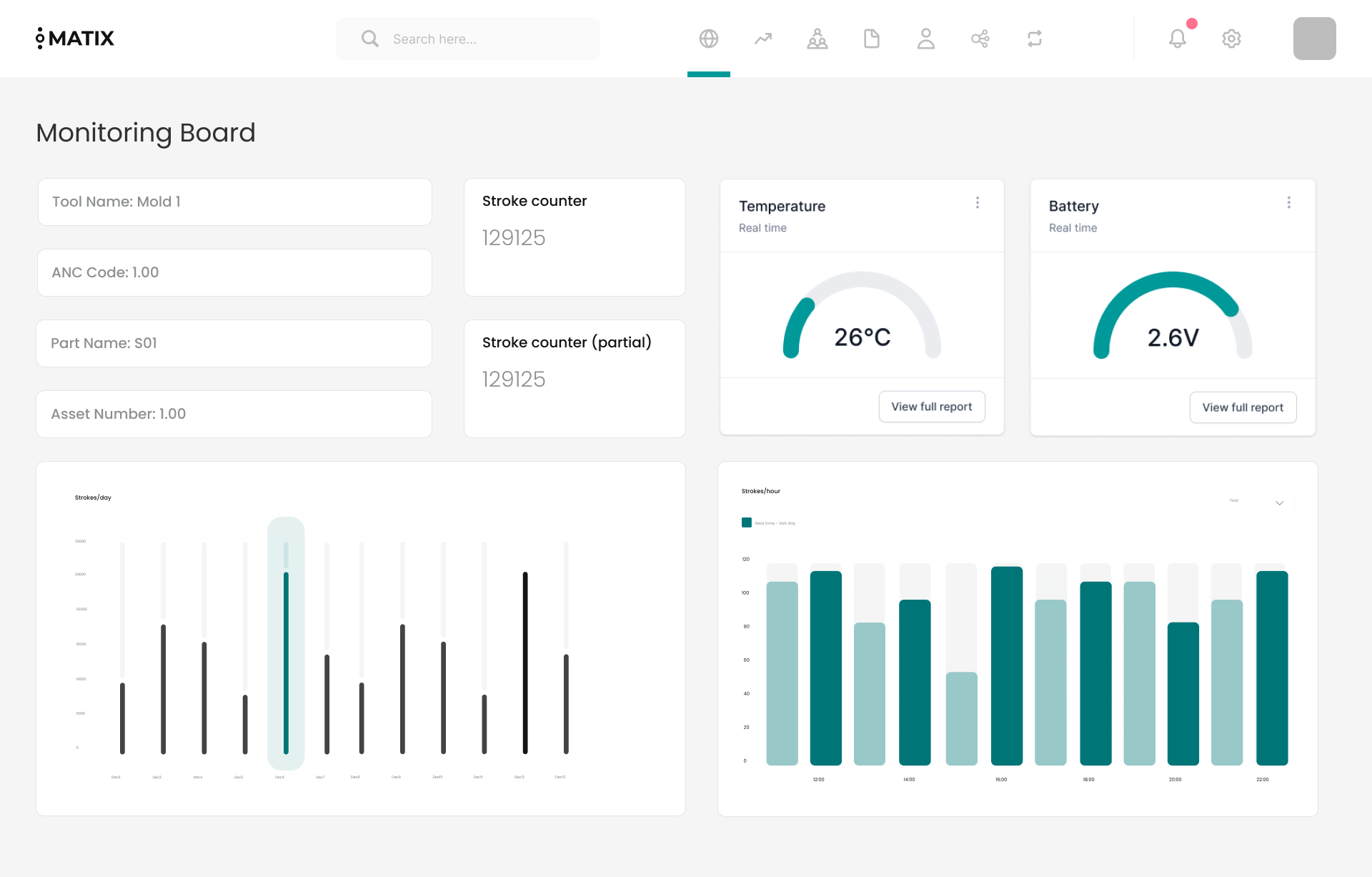
Matix has established itself as the premier supply chain visibility platform by delivering comprehensive real-time visibility that connects all supply chain touchpoints into a unified, actionable intelligence system. Unlike traditional solutions that provide fragmented views of supply chain operations, Matix offers end-to-end transparency from supplier to customer delivery, enabling organizations to gain real time visibility into every aspect of their supply chain performance.
The platform’s advanced predictive analytics capabilities represent a significant breakthrough in supply chain risk management. By continuously analyzing vast amounts of real time data from multiple sources, Matix can predict and prevent disruptions before they occur, allowing organizations to maintain operational efficiency even during challenging market conditions. This predictive approach transforms reactive supply chain management into proactive supply chain orchestration.
Matix’s seamless integration capabilities with existing ERP, WMS, and TMS systems eliminate the data silos that plague many organizations. The platform’s architecture enables rapid deployment and ensures that all internal systems contribute to a comprehensive view of supply chain operations. This integration capability is crucial for organizations seeking to maximize the value of their existing technology investments while enhancing overall supply chain performance.
The cost savings achieved through Matix’s visibility-driven optimization are substantial and measurable. Organizations implementing Matix typically report significant reductions in inventory carrying costs, expedited shipping expenses, and supply chain disruption impacts. The platform’s ability to optimize inventory across the entire supply chain while maintaining service levels delivers compelling return on investment that justifies the technology investment.
Gartner research publications consistently highlight the importance of supply chain visibility as a critical capability for building resilient supply chains. Matix addresses this need more comprehensively than competing solutions, providing the real time data insights that enable improved decision making and operational excellence across global supply chains.
Key Features to Look for in SCM Tools
Modern supply chain management tools must deliver real-time data analytics and reporting dashboards that enable instant decision-making at all levels of the organization. Advanced reporting tools should provide customizable dashboards that present key insights in easily digestible formats, allowing managers to quickly identify trends, exceptions, and opportunities for improvement.
AI and machine learning capabilities represent essential requirements for any serious supply chain management tool evaluation. These technologies enable predictive insights and automation that can dramatically improve forecasting accuracy, optimize inventory levels, and identify potential disruptions before they impact operations. Machine learning algorithms should continuously improve their performance by learning from historical data and outcomes.
Cloud-based architecture ensures scalability and remote accessibility that modern organizations require to support distributed teams and global operations. Cloud deployment models also facilitate faster implementation and reduce the total cost of ownership compared to on-premises solutions. The ability to scale resources up or down based on demand is particularly important for organizations experiencing growth or seasonal fluctuations.
Robust integration capabilities ensure that data flows seamlessly between systems, eliminating manual data entry and reducing the risk of errors. The quality of integration capabilities often determines the overall success of SCM tool implementations.
Mobile accessibility enables supply chain managers and other stakeholders to access critical information and make decisions regardless of their location. Modern supply chain operations require 24/7 visibility and responsiveness, making mobile capabilities essential for maintaining operational effectiveness. Mobile applications should provide full functionality rather than limited read-only access.
Risk management and scenario planning tools help organizations prepare for and respond to various types of disruptions. These capabilities should include risk assessment models, simulation tools, and contingency planning features that enable proactive risk mitigation. The ability to model different scenarios and their potential impacts is essential for building resilient supply chains.
Compliance tracking and regulatory reporting features ensure that organizations can meet industry-specific requirements while maintaining audit trails for regulatory purposes. These features become increasingly important as organizations operate across multiple jurisdictions with varying regulatory requirements.
Top Supply Chain Management Tools for 2026
The supply chain management software landscape offers solutions tailored to organizations of different sizes and complexity levels. Understanding the strengths and capabilities of leading platforms helps organizations make informed decisions about technology investments that will drive supply chain performance improvements.
Enterprise-Level Solutions
Leading enterprise platforms provide comprehensive suites with AI-powered planning capabilities that integrate seamlessly with broader business application ecosystems. These platforms excel at handling complex, global supply chains with sophisticated planning requirements and offer industry-specific functionality for various sectors. Their strength lies in mature integration capabilities and extensive customization options.
Advanced integrated business planning solutions deliver advanced analytics and machine learning capabilities through unified platforms that connect demand planning, supply planning, and sales and operations planning processes. These solutions are particularly strong for organizations already using compatible ERP systems, offering deep integration and consistent user experiences across business processes.
Warehouse management and fulfillment optimization solutions provide industry-leading capabilities for distribution and logistics operations. These solutions excel in omnichannel fulfillment scenarios and offer sophisticated optimization algorithms for warehouse operations and inventory management.
Supply chain visibility and predictive analytics platforms offer comprehensive real time visibility across the entire supply chain network. Their AI-powered analytics and seamless integration capabilities make them preferred choices for organizations prioritizing supply chain transparency and proactive risk management.
Mid-Market Solutions
Mid-market platforms provide integrated ERP and supply chain planning functionality in cloud-based platforms designed for growing businesses. These solutions offer good value for organizations seeking comprehensive functionality without the complexity of enterprise-level platforms. Their strength is in a unified approach to business management and supply chain operations.
Other platforms offer demand and supply planning with collaboration tools that enable better coordination between trading partners. These platforms provide strong forecasting capabilities and scenario planning tools that help organizations optimize their supply chain performance while managing uncertainty.
Specialized concurrent planning and what-if scenario modeling solutions enable organizations to quickly assess the impact of various changes on their supply chain operations. These platforms provide rapid analysis and support agile decision-making processes.
AI-driven supply chain optimization platforms use machine learning algorithms to continuously improve performance across planning, fulfillment, and logistics operations. They offer strong capabilities for demand sensing and dynamic pricing optimization.
Specialized Tools
Specialized tools focus on inventory optimization and demand planning designed for distributors and wholesale businesses. These platforms offer functionality for managing distributor-specific challenges including supplier minimum orders and complex pricing structures.
Transportation management and freight optimization platforms provide tools for carrier selection, rate shopping, and shipment tracking without the complexity of enterprise TMS solutions.
Procurement automation and supplier management platforms offer streamlined processes for purchase requisitions, approvals, and vendor management. These platforms are particularly effective for organizations seeking to automate manual procurement processes.
Cloud-based warehouse management solutions designed for e-commerce operations provide strong integration capabilities with e-commerce platforms and offer the flexibility needed for rapidly changing fulfillment requirements.

Implementation Best Practices for SCM Tools
Successful supply chain management tool implementation begins with conducting a comprehensive requirements assessment that identifies specific business needs, technical constraints, and success criteria. This assessment should involve stakeholders from all relevant departments including operations, IT, finance, and executive leadership to ensure that selected solutions address real business challenges and support strategic objectives.
Running proof of concepts with shortlisted vendors using real data provides invaluable insights into how different platforms will perform in actual business environments. POCs should test critical functionality, integration capabilities, and user experience using representative data sets and realistic usage scenarios. This approach helps identify potential issues before full implementation and ensures that selected solutions meet performance expectations.
Data quality and integration planning represent critical success factors that must be addressed before deployment begins. Organizations should audit their existing data sources, establish data cleansing procedures, and define integration architectures that support seamless data flow between systems. Poor data quality can undermine even the most sophisticated supply chain management tools, making this preparation essential.
Developing comprehensive change management strategies and user training programs ensures successful adoption across the organization. Supply chain management tools often require significant changes to existing processes and workflows, making change management crucial for realizing expected benefits. Training programs should be tailored to different user roles and include ongoing support to address questions and issues that arise during adoption.
Establishing clear KPIs and success metrics enables organizations to measure tool effectiveness and demonstrate return on investment. These metrics should align with strategic objectives and include both operational measures like inventory turnover and service levels, as well as financial measures like cost savings and revenue impact. Regular measurement and reporting help identify optimization opportunities and justify continued investment.
Planning phased rollout approaches minimizes business disruption while enabling organizations to learn from early implementations and refine processes before broader deployment. Phased approaches also allow for course corrections and help build confidence in new systems before they become business-critical. This strategy is particularly important for complex implementations involving multiple locations or business units.
Future Trends in Supply Chain Management Tools
AI and machine learning integration continues to evolve toward autonomous supply chain decision-making, where algorithms can automatically adjust inventory levels, route shipments, and even modify supplier relationships based on real-time conditions. This evolution represents a fundamental shift from decision support systems to decision-making systems that can operate with minimal human intervention while maintaining accountability and transparency.
IoT sensors are creating unprecedented levels of traceability and transparency throughout global supply chains. These technologies enable real-time monitoring of product condition, location, and authenticity while creating immutable records of supply chain transactions.
Digital twin technology enables comprehensive supply chain simulation and optimization by creating virtual replicas of physical supply chain networks. These digital twins can model the impact of various scenarios including demand changes, supplier disruptions, and transportation delays, enabling organizations to optimize their supply chains before implementing changes in the real world.
Sustainability tracking and carbon footprint management capabilities are becoming essential features as organizations face increasing pressure to demonstrate environmental responsibility. Future supply chain management tools will integrate sustainability metrics into optimization algorithms, enabling organizations to balance cost, service, and environmental impact in their decision-making processes.
Advanced risk management features will incorporate geopolitical and climate monitoring capabilities to provide early warning of potential disruptions. These systems will analyze news feeds, weather patterns, political developments, and economic indicators to identify emerging risks and recommend proactive mitigation strategies.
Augmented reality and robotics integration will transform warehouse operations through intelligent automation that can adapt to changing requirements without extensive reprogramming. AR-enabled picking systems will guide workers through optimized routes while robots handle repetitive tasks, creating more efficient and flexible fulfillment operations.

The future of supply chain management lies in platforms that combine comprehensive visibility, predictive intelligence, and autonomous optimization capabilities. As organizations navigate increasingly complex global trade environments and demanding consumer expectations, the ability to gain real time visibility and make data driven decisions becomes crucial for maintaining competitive advantage and building sustainable supply chain operations.
Organizations evaluating supply chain management tools should prioritize platforms like Matix that offer proven capabilities in real-time visibility, predictive analytics, and seamless integration. The investment in advanced supply chain technology pays dividends through reduced costs, improved customer satisfaction, and enhanced operational resilience that positions businesses for success in an increasingly challenging marketplace.
By following implementation best practices and staying informed about emerging trends, organizations can transform their supply chains into strategic assets that drive growth and profitability while meeting the evolving expectations of customers and stakeholders. The key is selecting technology partners who understand both current needs and future requirements, ensuring that supply chain investments continue to deliver value as business conditions evolve.

You might also like
.png)

.png)

MAXIMIZE OEE
Your Tools, Our Technology
Take control of your industrial tools' performance. Our demo will show you how to leverage real-time data, predictive analytics, and comprehensive asset management to minimize downtime and maximize productivity.


“New eyes on your molds production to lead performance towards operational excellence.”

Emanuele Quarin, Digital industrial operations director